News: Research
Peering Inside a Quantum Computer Creates New Phases of Information
Physicist Matteo Ippoliti helped explore how measurements can alter information states in an innovation created by Google.
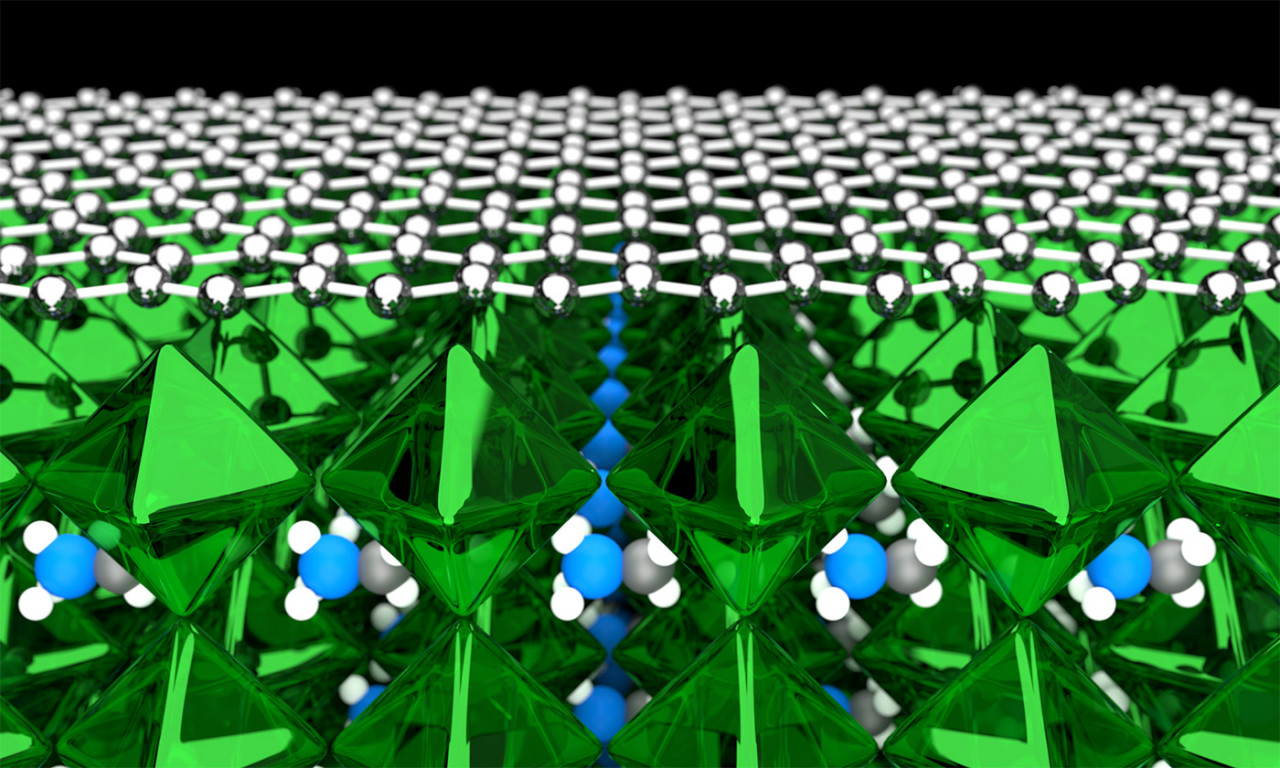
New Material Transforms Light, Creating New Possibilities for Sensors
A group of scientists and engineers that includes researchers from The University of Texas at Austin has created a new class of materials that can absorb low energy light and transform it into higher energy light.

New Simulation Reveals Secrets of Exotic Form of Electrons called Polarons
Feliciano Giustino leads effort to turn computational predictions into new materials.
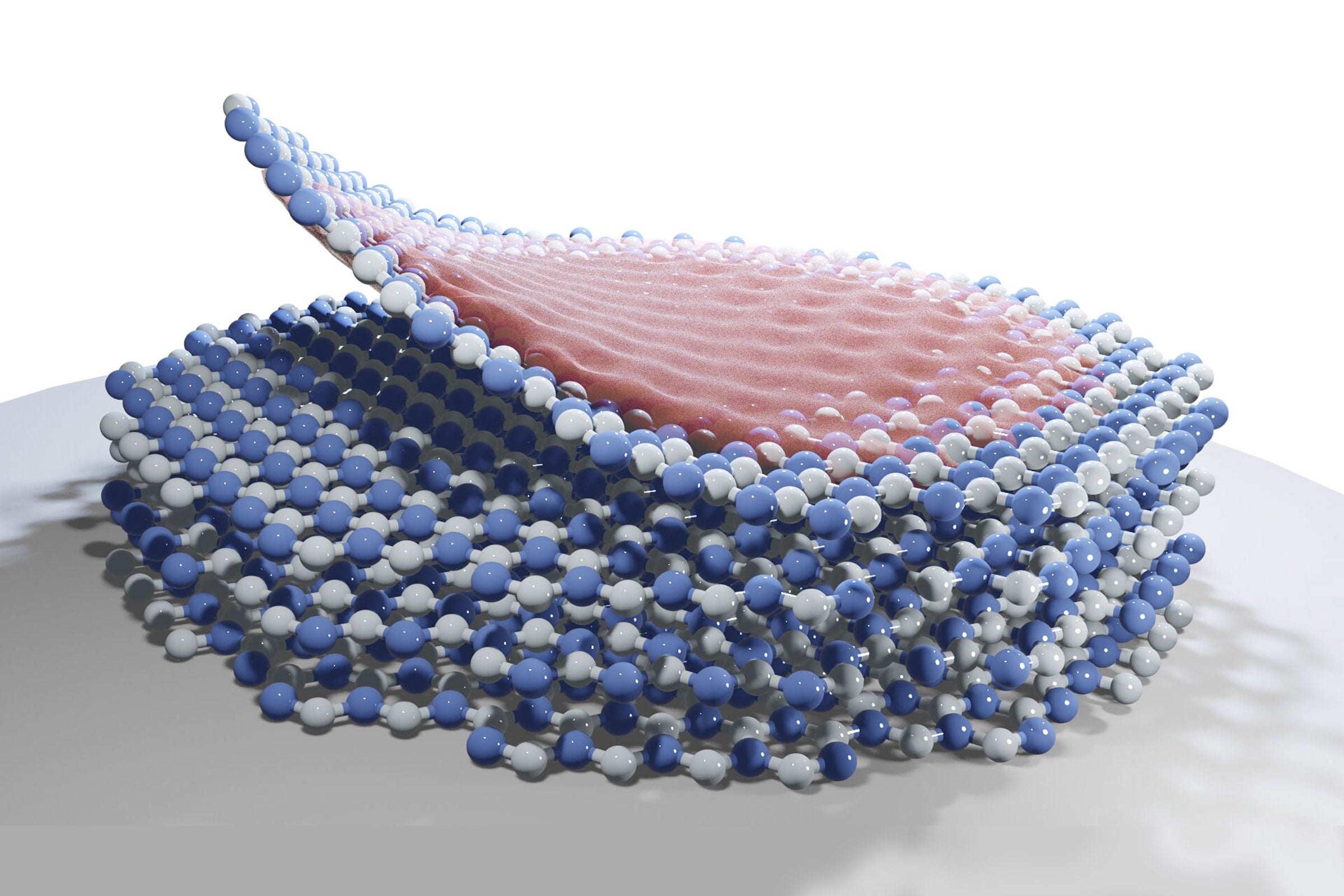
More Charge Acceptors aren’t Necessarily Better for Solar Cells
Adding charge acceptors can slow electron transfer in some light-activated materials.

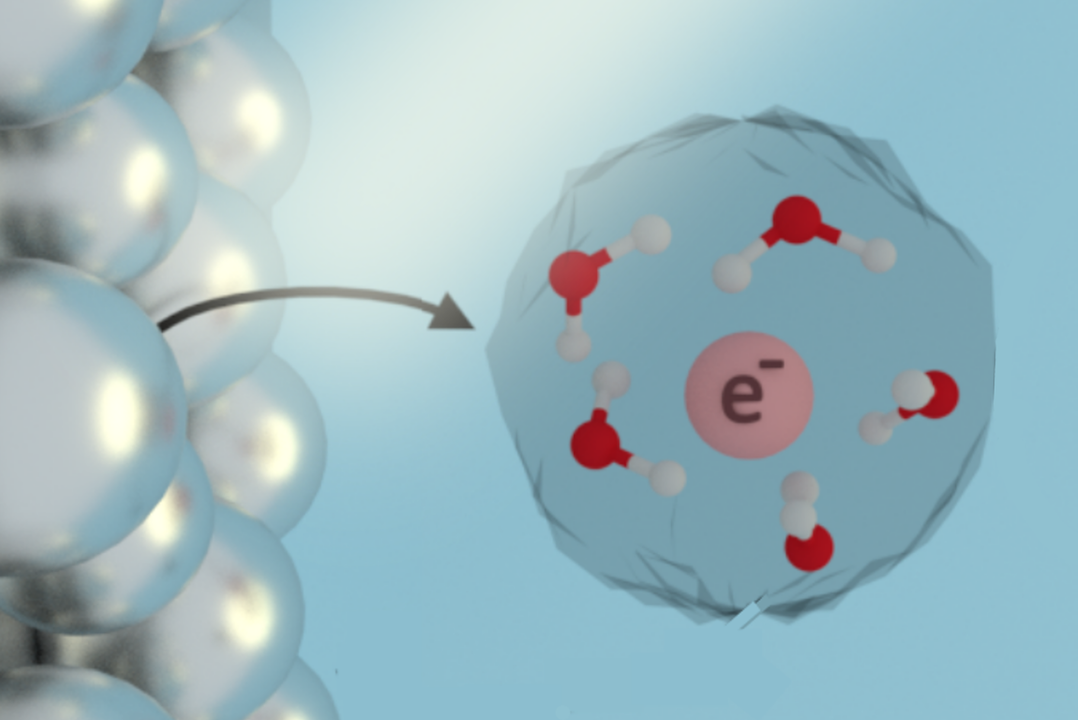
Nanoparticles Make it Easier to Turn Light into Solvated Electrons
‘Green’ reducing agents could help tackle climate change and treat contaminated water.
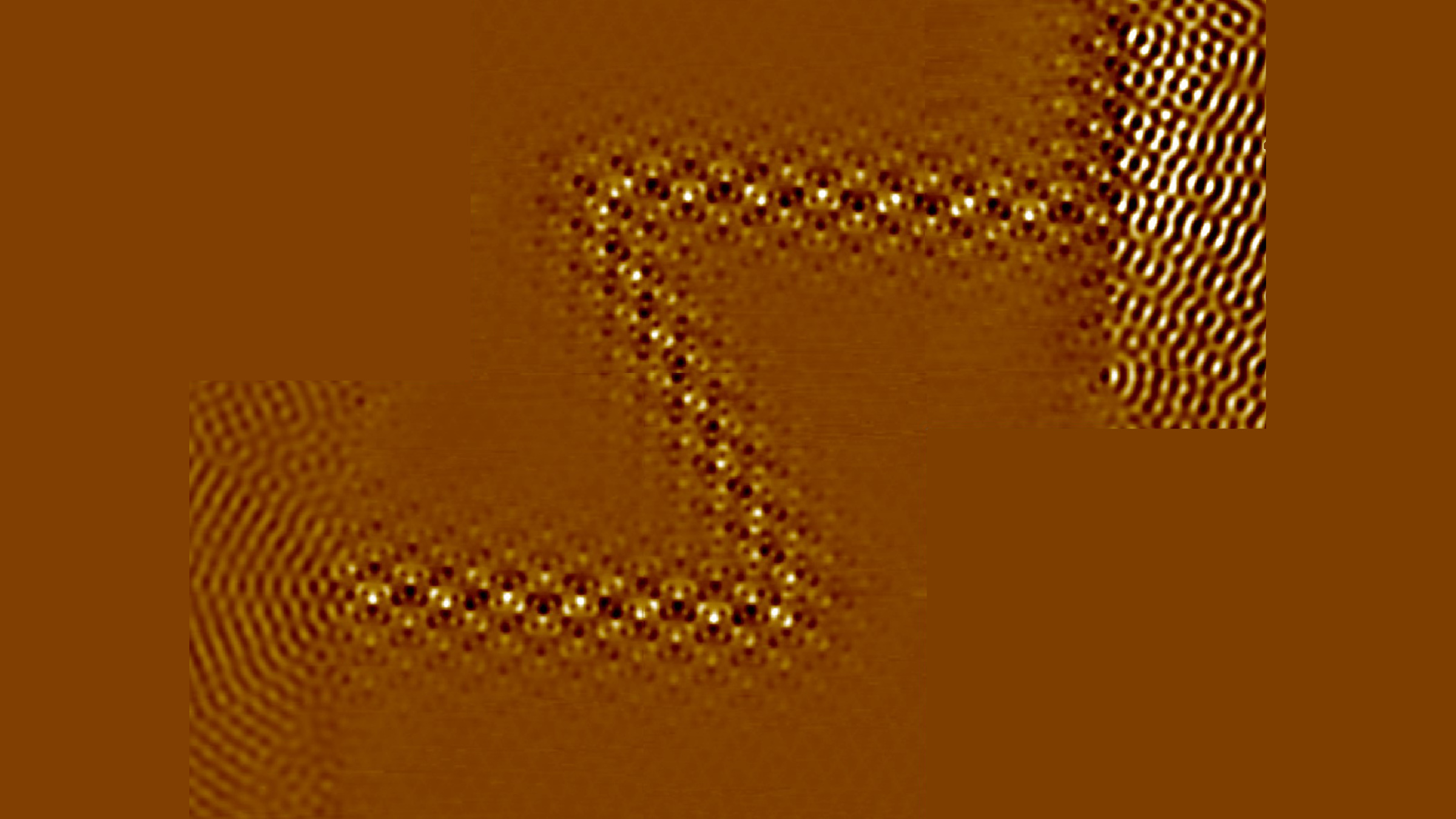
New Phononic Crystal Might Enable Better Mobile Communications
UT Austin researchers' new acoustic component, made of aluminum nitride and configured into periodic phononic crystals, allows engineers to direct high frequency elastic waves along predefined paths, including sharp turns and splits, without losing signal.
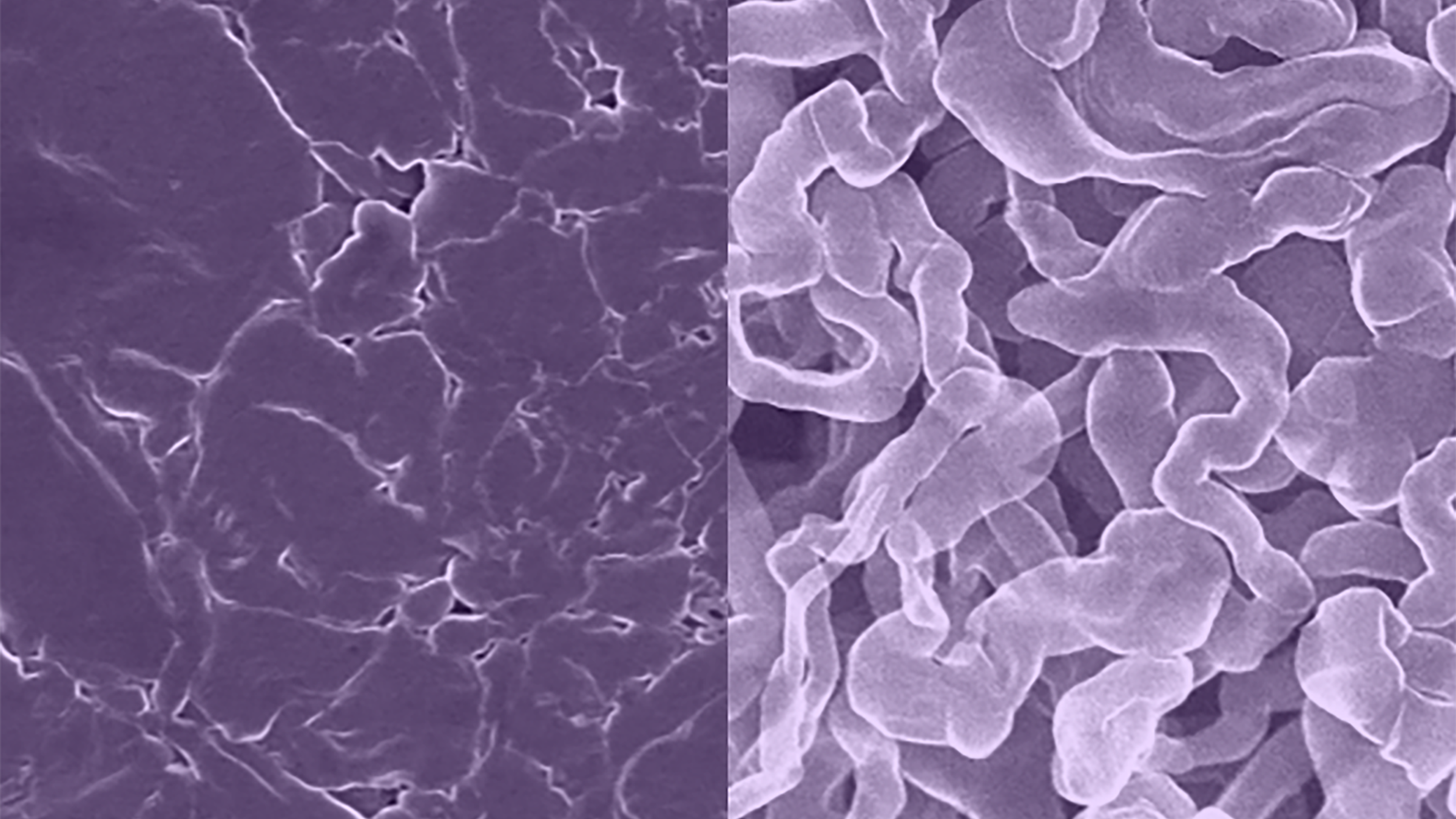
Sodium-based Material Yields Stable Alternative to Lithium-ion Batteries
A new sodium-based battery material is highly stable, capable of recharging as quickly as a lithium-ion battery and might deliver more energy than current battery technologies.
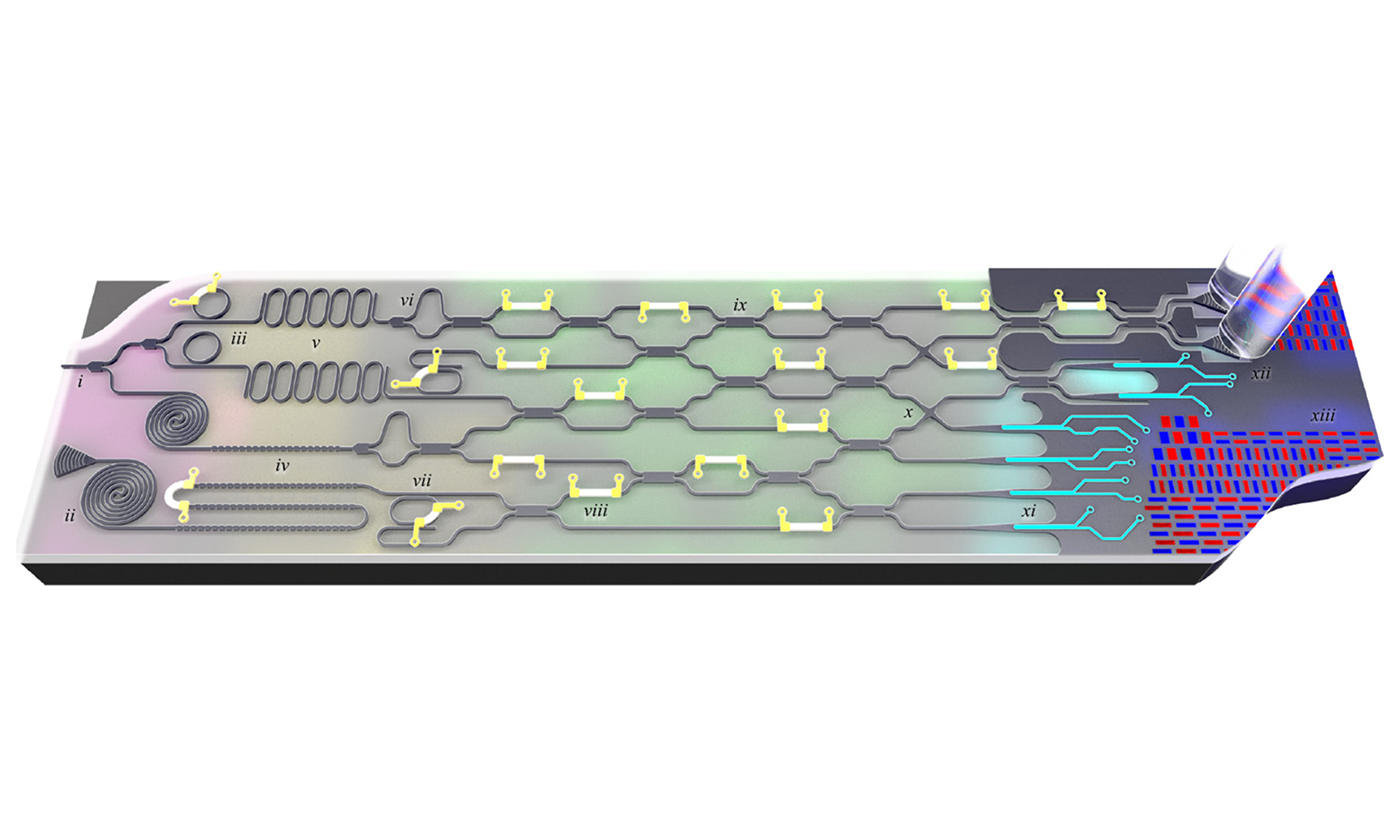
New Materials Could Lead to Computers That Work Like the Human Brain
An interdisciplinary team of researchers are working on a radically new kind of computer called a neuromorphic computer, inspired by the human brain.
The Texas Scientist
One Photon at a Time
Xiaoqin Elaine Li explores how to control light emission from ultrathin materials stacked at slight angles, a single photon at a time
Texas Advanced Computing Center
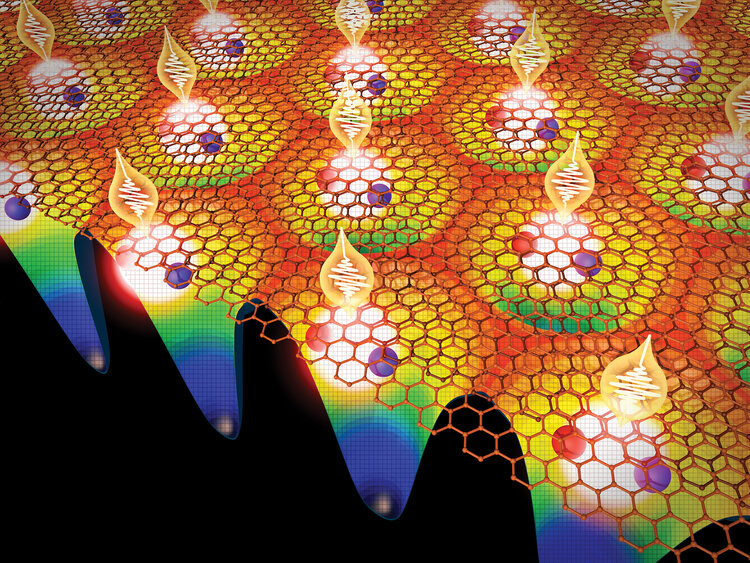
Twisted Physics: The Promise of Magic-Angle Graphene
Magic angle graphene produces switchable patterns of superconductivity, UT physicist Allan MacDonald found.